


liquid paraffin candle
A liquid paraffin candle is a refillable candle system that uses highly refined liquid paraffin as fuel instead of solid wax. People searching for liquid paraffin candle usually want a clean-burning, low-maintenance option for homes, restaurants, hotels, and events, and they also want to know whether it is safe and economical compared with traditional candles.
What is a liquid paraffin candle and how does it work?
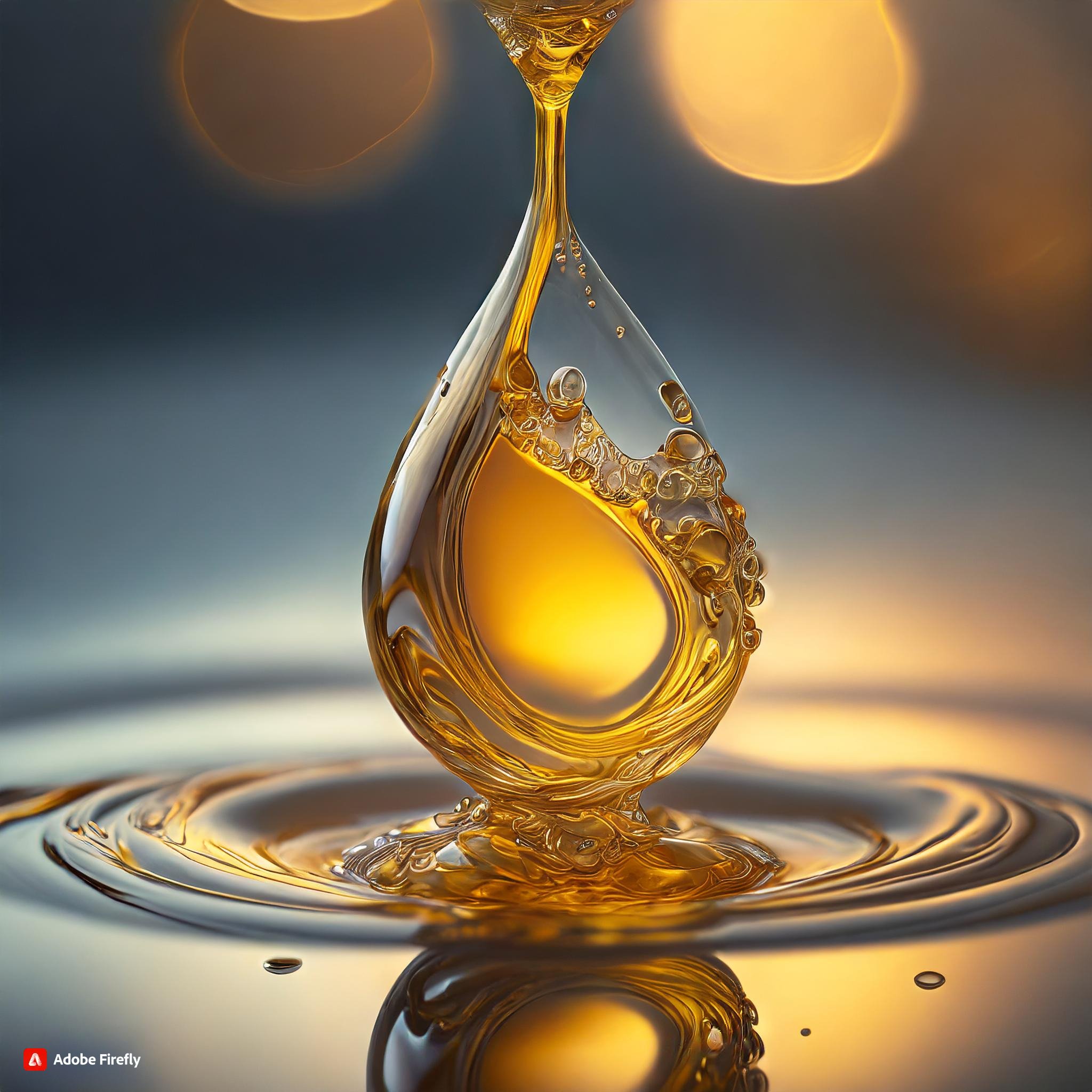
A liquid paraffin candle consists of a reservoir filled with highly refined Paraffin Oil, a wick that draws the fuel up by capillary action, and a flame that burns the vapour at the tip of the wick. The fuel itself does not burn as a pool; only the vapour at the wick is consumed, which helps control the flame and minimise mess. Because liquid paraffin, also known as lamp oil or mineral oil, is clear and clean-burning, these candles are often used in decorative glass lamps that create a steady, attractive flame.
Key benefits of using a liquid paraffin candle at home and in restaurants
The main benefits of a liquid paraffin candle are convenience, cleanliness, and burn quality. The fuel is usually smokeless and low-odour when used correctly, so it is suitable for indoor spaces such as dining rooms, hotel lobbies, or churches. Refillable fuel cells can burn for many hours, reducing the need for constant replacement or cleaning of wax drips. For businesses, this means more consistent ambience, less staff time spent on candle care, and a more professional presentation on tables and counters.
Safety tips for using a liquid paraffin candle indoors
Even though liquid paraffin candle systems are designed to be safer and cleaner than open dishes of fuel, they must still be treated as real flames. Always place the candle on a stable, heat-resistant surface away from curtains, paper, and other flammable materials. Keep the wick trimmed to the manufacturer’s recommended length to avoid smoking or enlarged flames, and never move or refill a lamp while it is lit or still hot. As with any open flame, keep liquid paraffin candles out of reach of children and pets and ensure adequate ventilation in confined rooms.
liquid paraffin candle vs traditional wax candles
When comparing a liquid paraffin candle with a traditional wax candle, most users want to know about soot, smell, safety, and total cost, especially when sourcing fuel from a reliable paraffin oil producer. Understanding the differences in burn quality, indoor air impact, and long-term operating costs helps you choose the best option for everyday home use or professional environments such as restaurants, hotels, and event venues.
Main differences in flame quality, soot and odour
A well-made liquid paraffin candle typically produces a steady, clear flame with minimal soot and a very mild odour, especially when the wick height is properly adjusted. Traditional wax candles, depending on the wax type and fragrance load, may create more visible smoke, soot, and scent. Paraffin wax pillars or tealights can leave residue on holders and nearby surfaces, whereas liquid paraffin fuel cells remain clean and contained in their reservoir, which is particularly valuable in settings with white tablecloths or sensitive décor.
When to choose a liquid paraffin candle instead of a solid wax candle
A liquid paraffin candle is usually preferable when you need long burn time, consistent flame appearance, and minimal clean-up. Restaurants, hotels, churches, and event planners often benefit from refillable fuel cells that last an entire service or ceremony. For occasional home use, a liquid paraffin candle is also a good choice if you prefer a low-scent, low-soot option and want to avoid scraping hardened wax from holders. However, if you enjoy scented candles or artisanal wax designs, traditional solid wax may still be your first choice for fragrance and aesthetics.
liquid paraffin candle buying guide
Before buying a liquid paraffin candle, it helps to understand the different formats, wick systems, and fuel qualities available. A simple buying guide can save you from choosing a product that smokes, leaks, or does not suit your intended setting.
How to choose the right liquid paraffin candle size, wick and container
Start by deciding where and how long you want your liquid paraffin candle to burn. For restaurant tables and small home settings, compact fuel cells with a modest flame are often ideal, while larger lamps may be better for outdoor patios or entryways. Choose a wick size recommended by the manufacturer so the flame is bright but controlled, and pick containers made from heat-resistant glass or metal with stable bases. Slim, tall lamps can look elegant, but wider bases offer more stability in busy environments.
What to check on labels and technical specifications
When reading labels for a liquid paraffin candle or bottle of liquid paraffin fuel, look for notes about indoor suitability, level of refinement, and approximate burn time. A higher level of refinement generally means lower odour and less smoke. Some suppliers also indicate the flash point, which is the temperature at which vapours may ignite, as well as any safety certifications or compliance with local regulations. These details help you choose liquid paraffin candle products that are safer and more reliable for long-term use.
liquid paraffin wax uses
People searching for liquid paraffin wax uses are typically interested in how this highly refined mineral oil can be applied in candles, oil lamps, personal care products, pharmaceuticals, and industrial processes. Because liquid paraffin wax is clear, stable, and chemically inert, it plays a versatile role across many sectors.
liquid paraffin wax uses in candles and oil lamps
One of the most visible liquid paraffin wax uses is as a clean-burning fuel for oil lamps and liquid candles. When paired with suitable wicks and containers, it provides a consistent flame without leaving behind solid residue. Many hospitality venues and religious institutions rely on liquid paraffin wax in refillable lamps, as it simplifies set-up, reduces soot on surfaces, and can offer predictable burn times for services, events, or dinner service.
liquid paraffin wax uses in cosmetics and skincare
In the cosmetics world, liquid paraffin wax is commonly used as an emollient and occlusive ingredient in creams, lotions, balms, and ointments. It helps to reduce transepidermal water loss by forming a barrier on the skin surface, leaving the skin feeling softer and more protected. Because it is inert and stable, cosmetic-grade liquid paraffin wax can be combined with other oils, butters, and active ingredients to create products for dry or sensitive skin, as long as formulations are designed and tested according to cosmetic safety standards.
liquid paraffin wax uses in pharmaceutical and medical products
In pharmaceutical applications, liquid paraffin wax is used as a lubricant, laxative base, and vehicle for active ingredients in certain topical or oral preparations. Medical-grade material must meet strict purity criteria, so only products specifically labelled for pharmaceutical use should be used in this way. For any health-related use of liquid paraffin wax, users should follow professional medical guidance, as self-treatment with non-pharma grades or incorrect dosages can be unsafe.
household and DIY liquid paraffin wax uses
Beyond commercial products, liquid paraffin wax can be used in a variety of simple household and DIY projects. However, because it is a flammable and petroleum-derived substance, it should always be handled with respect and care.
Simple and safe home projects using liquid paraffin wax
At home, liquid paraffin wax can fuel decorative table lamps, emergency lighting, and garden lanterns, offering a neat alternative to solid wax candles. Some crafters also use it in small quantities for lubricating sticky hinges or zippers or for protecting metal tools from moisture. For any DIY project, it is important to use liquid paraffin wax in small, controlled amounts, avoid overheating it, and keep it away from open flames except where it is intentionally used as a fuel in an appropriate lamp.
Important precautions for DIY liquid paraffin wax uses
When experimenting with liquid paraffin wax at home, always prioritise safety. Avoid combining it with unknown chemicals or pigments that could affect flammability or produce harmful fumes. Never heat liquid paraffin wax directly on a stove or open flame; if warming is required, use indirect heating with close supervision. Store leftover wax in clearly labelled, tightly closed containers away from children and ignition sources. Whenever you are uncertain about a particular use, it is better to choose a purpose-designed commercial product instead of improvising.
industrial liquid paraffin wax uses
In industry, liquid paraffin wax is valued for its lubricating, insulating, and moisture-resistant properties. Manufacturers use different grades of liquid paraffin wax in processes where stability, clarity, and predictability are essential.
liquid paraffin wax uses in lubrication, coatings and insulation
Industrial liquid paraffin wax uses include serving as a light lubricant in machinery, a component of anti-corrosion coatings, and a part of formulations for electrical insulation. Because it is relatively stable and water-repellent, it helps protect surfaces and components from friction, oxidation, and moisture. Engineers select specific grades based on viscosity and temperature behaviour so that the wax performs reliably under expected operating conditions.
liquid paraffin wax in packaging and food-contact applications
In packaging, carefully controlled grades of liquid paraffin wax can be used in coatings for paper, cardboard, or other substrates to provide a grease-resistant or moisture-resistant barrier. For food-contact applications, only food-grade or suitably certified liquid paraffin wax should be used, and all relevant regulations must be followed. Manufacturers rely on detailed specifications, migration tests, and regulatory approvals to ensure that such uses are safe for consumers over the lifetime of the packaging.
liquid paraffin wax
To understand liquid paraffin wax uses fully, it helps to know what liquid paraffin wax actually is and how it relates to terms like mineral oil or white oil. This section explains the basic chemistry, types, and quality considerations behind the products you see on shelves or in technical datasheets.
What is liquid paraffin wax (composition, grades and relation to mineral oil)?
Liquid paraffin wax is a highly refined mixture of saturated hydrocarbons derived from petroleum. It is closely related to what is often called mineral oil or white oil, with the name depending on the region and intended use. Different grades of liquid paraffin wax are produced for cosmetic, pharmaceutical, food-contact, and industrial purposes, each subject to its own purity standards. This versatility explains why the same base substance appears in candle fuel, skin creams, and technical lubricants.
Types of liquid paraffin wax (light, heavy, cosmetic, pharma, industrial)
Producers typically divide liquid paraffin wax into light and heavy fractions, with lighter grades being less viscous and easier to spread or absorb. Cosmetic and pharmaceutical grades are refined to remove impurities and odours and to meet pharmacopoeia or cosmetic regulations. Industrial grades may focus more on functional properties such as viscosity and flash point than on sensory qualities. When you choose a product, always match the grade to the intended use instead of assuming that any liquid paraffin wax is suitable for every application.
How liquid paraffin wax is refined and tested for quality
Liquid paraffin wax is made by refining selected petroleum fractions through processes such as distillation, hydrogenation, and filtration to remove aromatic compounds, sulphur, and other impurities. Quality control laboratories then test properties like viscosity, density, colour, odour, and flash point, as well as specific impurity limits required by pharmacopeias or food-contact regulations. These steps ensure that cosmetic and medical products made with liquid paraffin wax remain stable, safe, and pleasant to use over their shelf life.
liquid paraffin wax safety and handling
Although liquid paraffin wax is generally considered low in toxicity and safe in properly formulated products, it is still a flammable petroleum-derived substance. Safe storage, handling, and disposal practices are essential for both households and industries.
Storage, fire safety and ventilation guidelines
Store liquid paraffin wax in tightly sealed containers in a cool, dry place away from direct sunlight and heat sources. Keep it separate from oxidising agents and always follow the safety guidance provided on the label or safety data sheet. When using liquid paraffin wax as fuel, ensure good ventilation to avoid build-up of combustion by-products, and never leave flames unattended. In the event of a spill, use absorbent material and dispose of it according to local regulations rather than pouring the liquid into drains.
How to read SDS and technical data for liquid paraffin wax
The safety data sheet, often abbreviated as SDS, is your primary reference for safe handling of any liquid paraffin wax product. It summarises hazards, first-aid measures, fire-fighting advice, storage conditions, and disposal recommendations. Technical data sheets provide complementary information such as viscosity, flash point, and intended applications. Learning to read these documents helps you select an appropriate grade, understand its limitations, and train staff or family members to use and store it correctly.
liquid paraffin wax vs other fuels and waxes
Choosing between liquid paraffin wax and other fuels or waxes depends on your priorities: burn cleanliness, sustainability, scent, appearance, and budget. Comparing these options side by side makes your decision much easier.
Comparison of liquid paraffin wax with kerosene and plant-based lamp oils
Compared with kerosene, a well-refined liquid paraffin wax fuel usually burns with less odour and visible smoke, making it more comfortable for indoor use. Plant-based lamp oils derived from vegetable sources may appeal to users seeking renewable options, but their viscosity and burning characteristics can differ from mineral-based fuels. When evaluating these choices, consider factors such as flash point, ventilation requirements, and the manufacturer’s guidance for specific lamps or candle systems.
Comparison of liquid paraffin wax with beeswax, soy wax and other solid waxes
Solid waxes like beeswax, soy wax, or paraffin pillar wax are excellent for traditional candles, offering sculptural forms and strong fragrance options. However, they leave behind hardened wax that must be cleaned from holders and may produce more visible soot near the flame. Liquid paraffin wax in a sealed fuel cell avoids wax residue and can provide very consistent flames, but usually offers less fragrance and fewer decorative shapes. Ultimately, many users keep both types on hand: solid wax candles for scented or decorative occasions and liquid paraffin candle systems for practical, low-maintenance lighting.
liquid paraffin candle and liquid paraffin wax common mistakes
Even experienced users can make mistakes when working with a liquid paraffin candle or different liquid paraffin wax uses. Knowing the most frequent errors helps you avoid safety issues, smoke, and wasted product.
Common mistakes when using a liquid paraffin candle (wick, refilling, placement)
A very common mistake with any liquid paraffin candle is letting the wick grow too long, which increases flame height, smoke, and fuel consumption. Another error is refilling the lamp reservoir while it is still hot or near an open flame, which can create a fire hazard. Placing a lamp where it can be knocked over by guests, pets, or wind is also risky. By trimming the wick, allowing lamps to cool before refilling, and positioning them on stable, protected surfaces, you greatly reduce these hazards.
Common mistakes in liquid paraffin wax uses for skin, pharma and home projects
For personal care and health-related uses, one of the most serious mistakes is using an industrial-grade liquid paraffin wax on the skin or in homemade remedies without understanding purity requirements. Only cosmetic or pharmaceutical grades should be used for body contact and always under professional guidance for medical questions. In home projects, people sometimes overheat liquid paraffin wax or mix it with unsuitable ingredients, which can alter its flammability or cause irritation. When in doubt, stick to well-tested commercial formulations and consult experts rather than improvising with random products.
liquid paraffin wax FAQ
Frequently asked questions about liquid paraffin wax reflect common concerns about safety, suitability for specific uses, and alternatives. Addressing these directly helps both new and experienced users feel more confident.
Is liquid paraffin wax safe to burn indoors?
Liquid paraffin wax that is specifically formulated as lamp oil or candle fuel can be safe for indoor use when burned in suitable lamps with proper ventilation. Always follow the manufacturer’s instructions and keep flames away from flammable materials. Users with respiratory sensitivities should test any new fuel cautiously and avoid burning candles for long periods in very small or unventilated rooms.
Which liquid paraffin wax grade is suitable for skin and cosmetics?
Only cosmetic-grade or pharmaceutical-grade liquid paraffin wax is appropriate for use in skin-care products. These grades are refined to strict standards to minimise impurities and odours. When buying creams, lotions, or balms, rely on reputable brands that comply with cosmetic regulations, and consult a healthcare professional or dermatologist for persistent skin problems.
Can I use kerosene or cooking oil instead of liquid paraffin wax?
Kerosene and cooking oils are not direct replacements for liquid paraffin wax in most candle or lamp systems. Kerosene often produces stronger odours and may not be suitable for indoor use without specialised equipment, while cooking oils can smoke heavily or solidify in wicks and reservoirs. To avoid safety and performance issues, use only the type of fuel recommended by the lamp or candle manufacturer.
Conclusion
Liquid paraffin candle systems and the many liquid paraffin wax uses in candles, cosmetics, pharmaceuticals, and industry all trace back to one versatile, highly refined mineral oil. By understanding the differences between grades, the advantages of liquid fuel over solid wax in certain contexts, and the safety principles that govern storage and use, you can make informed choices that match your needs.
Whether you are choosing a liquid paraffin candle for elegant, low-maintenance table lighting or selecting the right liquid paraffin wax grade for a cosmetic or industrial application, focus on product quality, clear labelling, and trusted suppliers. Combine this with careful handling and respect for open flames, and liquid paraffin wax can be a reliable, effective material across a wide range of everyday and professional uses.

This is Kamran Malekian working in the petroleum jelly manufacturing industry for Navid Noor Company since 2013 I am eager to make content in this industry and have a good impact on professional users and people using cosmetic and pharmaceutical products.

No comment